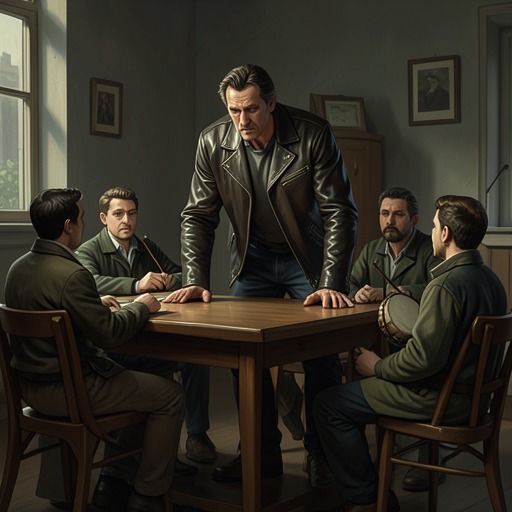
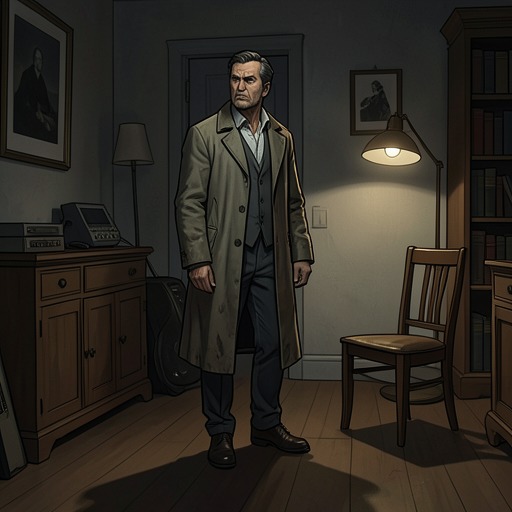
Ma fires Levee
Ma Rainey's Black BottomMa fires Levee after his improvisation disrupts her performance of Ma Rainey's Black Bottom and exposes a basic conflict over who controls the music. Levee sees himself as an innovator entitled to shape the arrangement; Ma insists that the musicians serve the song as she sings it. His dismissal makes that disagreement consequential: Ma's authority over her band is enacted in the studio, while Levee's ambition to lead his own band remains a claim rather than a realized outcome.
The Arrangement and the Dispute
The firing grows out of a disagreement already audible in rehearsal. Cutler proposes trying Levee's version of Ma Rainey's Black Bottom, and Levee explains how he wants it built: an opening to catch the audience's attention, a rhythm part from Toledo and Slow Drag, and breaks for him and Cutler. He wants the number to move people without making it sound like a barn dance. His approach is not merely a matter of adding notes; it involves a different conception of the song's introduction, rhythmic roles, and feel.
When the band begins, Levee stops the players because he thinks they are in the wrong time. He says Ma must enter over the top and find her own way in. Cutler objects that Levee should not dictate how the others play, emphasizing that the musicians already know the piece. Their exchange makes the rehearsal itself a contest over musical leadership: Levee tries to direct the arrangement, while Cutler defends established practice and the band's ability to play the song as they know it.
The later recording brings that disagreement into sharper focus. Once the band is ready for a take, Ma asks why Levee is playing so many notes. He answers that he was improvising on the theme and playing as he felt it. Ma says she could not keep up with what he was doing and that his playing interfered with her ability to hear and sing the song. The point is not simply that she dislikes embellishment: she says the performance no longer follows her version of the number or the way the others play it.
The Dismissal
Levee refuses Ma's demand to conform. He defends improvisation as part of playing the theme and tells the others to leave him alone about his music. Cutler draws the dispute's central boundary plainly: the session is about Ma's music, not Levee's. Ma backs Cutler's intervention and warns Levee that he will find out what her earlier warning means.
Levee answers by daring her to fire him, insisting that he will have his own band anyway. Ma makes the threat effective with a direct decision: she fires him and tells Cutler that Levee is out and will no longer play in her band. Levee responds as if the dismissal confirms his freedom, calling it a favor and the best thing that could have happened to him. Yet the exchange leaves the immediate power balance unmistakable. Ma can end his place in this recording and this band; Levee's confidence in a future band does not undo that loss.
Authority and the Session's Other Bargains
The studio's negotiations after the firing show that the conflict takes place within a wider struggle over musicians' treatment and compensation. Irvin tells Ma that Sturdyvant will take twenty-five dollars from Ma's own money and give it to Sylvester. Ma rejects the arrangement: Sylvester is supposed to receive his own pay, like everyone else. She orders Irvin to press Sturdyvant again and threatens that he will not make another of her records if the boy is not paid.
Sturdyvant eventually hands over two hundred dollars for Ma and twenty-five for Sylvester. The payment does not erase the earlier attempt to make Ma's money cover the boy's compensation; rather, it shows that her insistence has forced the studio to provide the separate payment she demanded. Ma then signs the forms, but her signature does not mean that she has surrendered all leverage. She tells Irvin to warn Sturdyvant that another mistake could lead her to make records elsewhere. Her conduct contrasts with Levee's position: Ma negotiates as the established artist whose continued recording business matters to the company, while Levee has to make a case for his songs on his own.
Levee's later approach to Sturdyvant makes that difference concrete. He argues that people want music with excitement and fire rather than jug-band music, but Sturdyvant offers only five dollars for each song and says they are not the kind of songs the company wants to record. Levee rejects the offer because he wants the songs recorded, not simply bought for that price. The exchange does not reverse Ma's decision or establish what becomes of his ambitions; it shows that his claim to artistic independence meets a separate commercial refusal.
What the Firing Changes
Ma's decision converts a dispute about notes, timing, and improvisation into a change in membership: Levee no longer plays in her band. Her rule is that the musicians must support the song as she performs it, whereas Levee treats improvisation as a creative right and resists being directed. Neither position remains abstract once the take falters. Ma's complaint that she cannot keep up with him gives the conflict an immediate performance consequence, and her order to remove him settles who has final authority in the session.
The aftermath also distinguishes Ma's power from Levee's. She can demand that the studio pay Sylvester separately and can threaten to take her future records elsewhere; Levee can declare that he will form his own band, but Sturdyvant will not agree to record his songs and instead offers to buy them cheaply. The firing therefore ends one working relationship without resolving the larger contest over artistic control. Ma protects her version of the song and her authority over the band, while Levee leaves claiming a future that the studio's response does not secure.